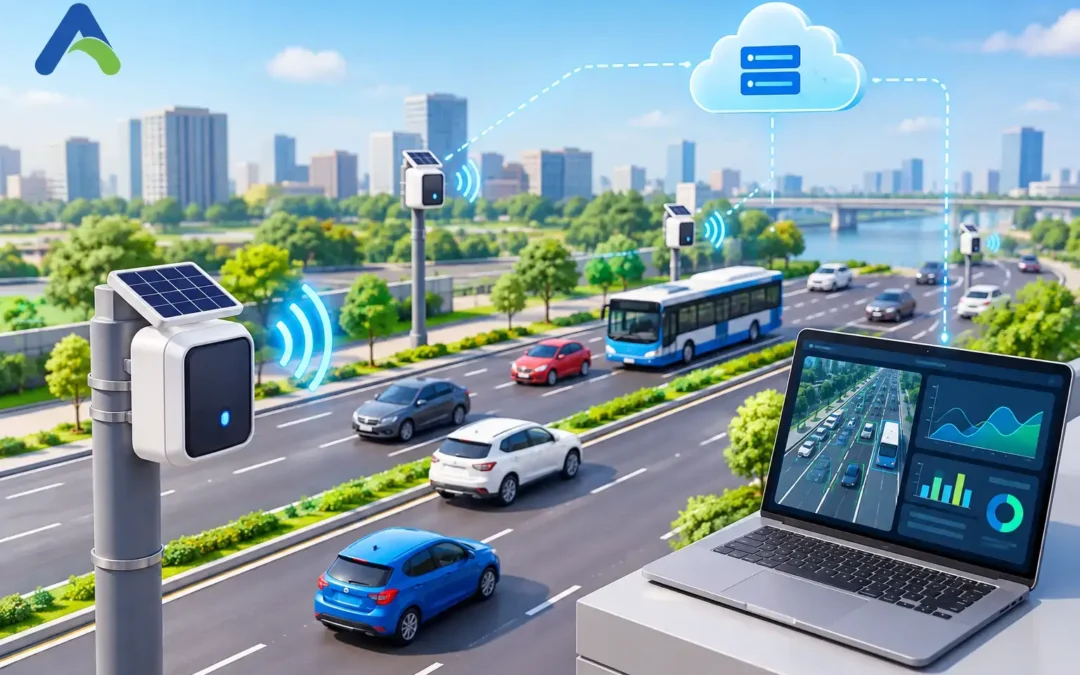
Wireless Sensor Deployment for Better Traffic Data
A wireless sensor deployment should not begin with a device choice. It should begin with the operational question the authority needs to answer: is a signal stage failing to call, are cyclists being missed, is rat-running increasing, or is a speed intervention needed...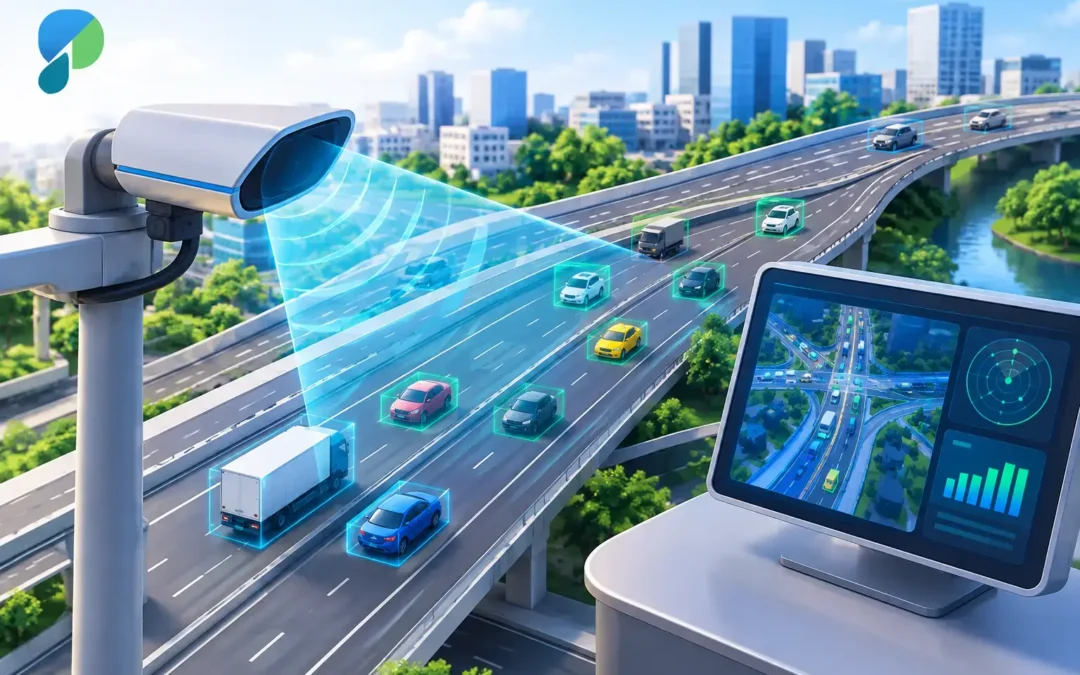
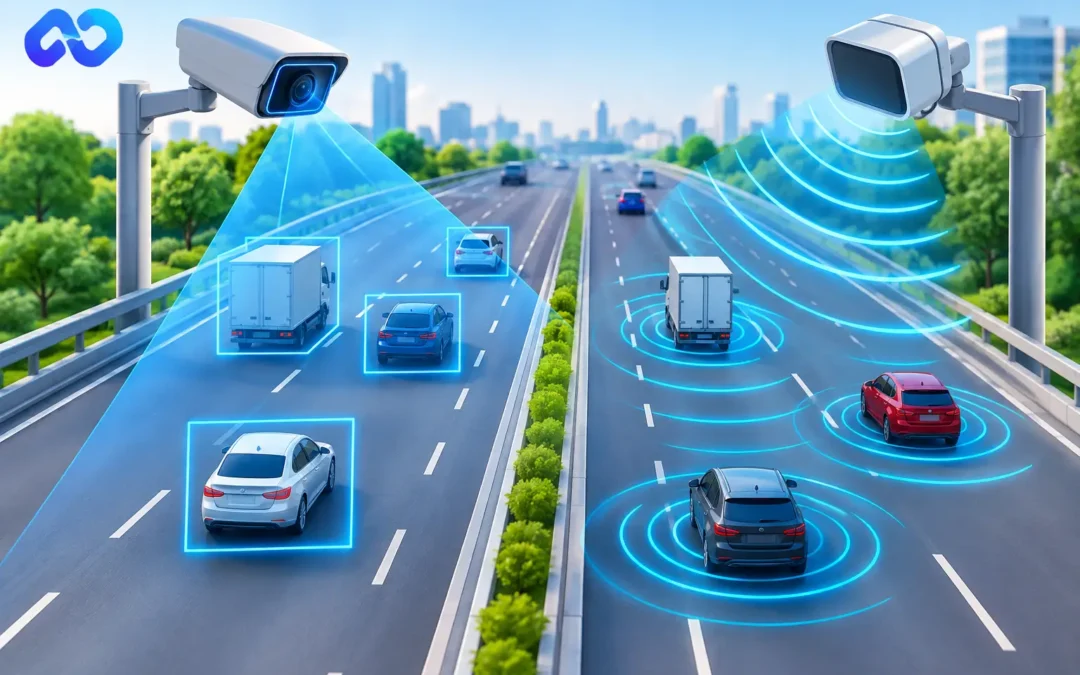
Traffic Radar for Smarter Road Network Control
A detector that requires a lane closure, saw-cutting and reinstatement before it can report a single vehicle is increasingly difficult to justify. Traffic radar provides a practical above-ground alternative, giving highways teams dependable detection without...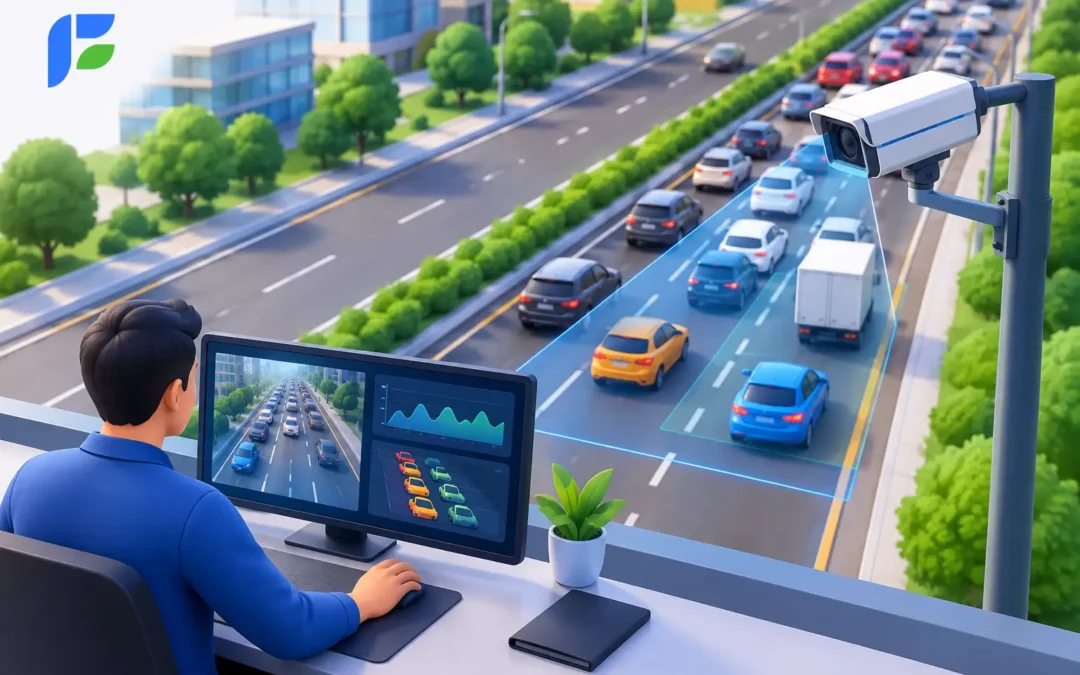
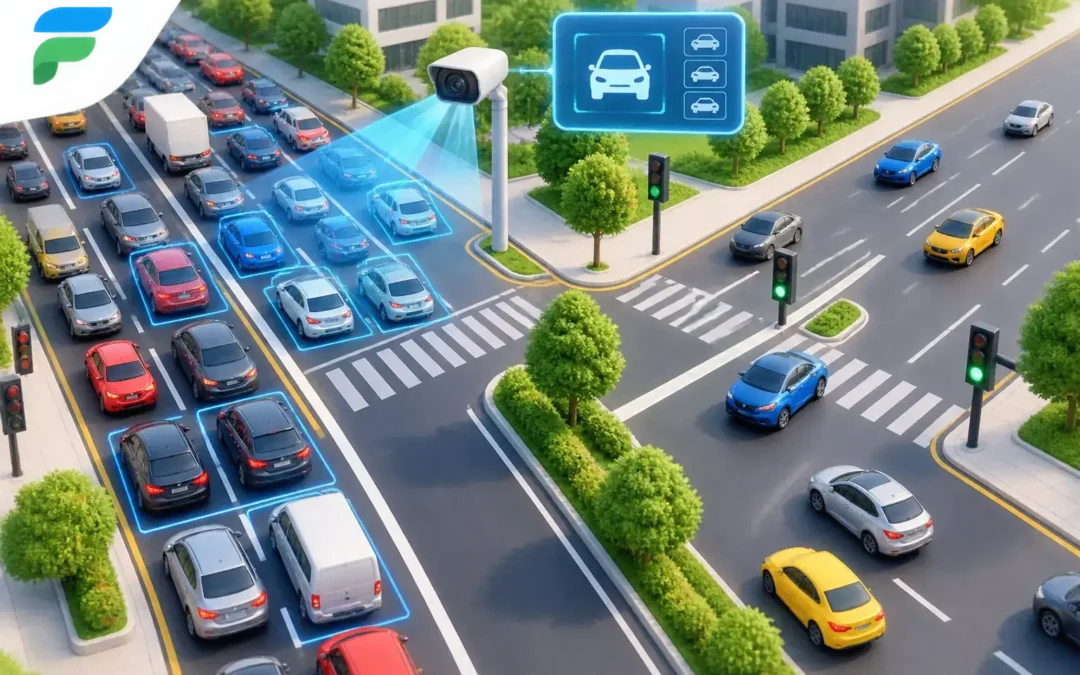
Guide to Queue Monitoring Strategies for Roads
A standing queue is not just a delay measurement. On a busy approach, it can block a pedestrian crossing, prevent buses leaving a stop, trap vehicles in a junction or push rat-running into residential streets. This guide to queue monitoring strategies sets out how...